How do you align independent operators around a shared experience vision?

How do you build standards that survive decentralized, multi-year delivery?

What does it take to make the passenger the common reference point across competing institutions?

New York’s three major airports, JFK, LaGuardia and Newark Liberty, were among the lowest-ranked airports in North America for passenger satisfaction.
A US$25B+ redevelopment program was underway, but the fundamental problem wasn't physical. Each terminal in each airport is operated by a different entity with its own priorities, timelines, and standards. No shared vision of the passenger experience existed across the system.
The Port Authority needed a framework that independent operators, airlines, architects and public agencies could align around, one that would hold across years of decentralized, parallel construction.
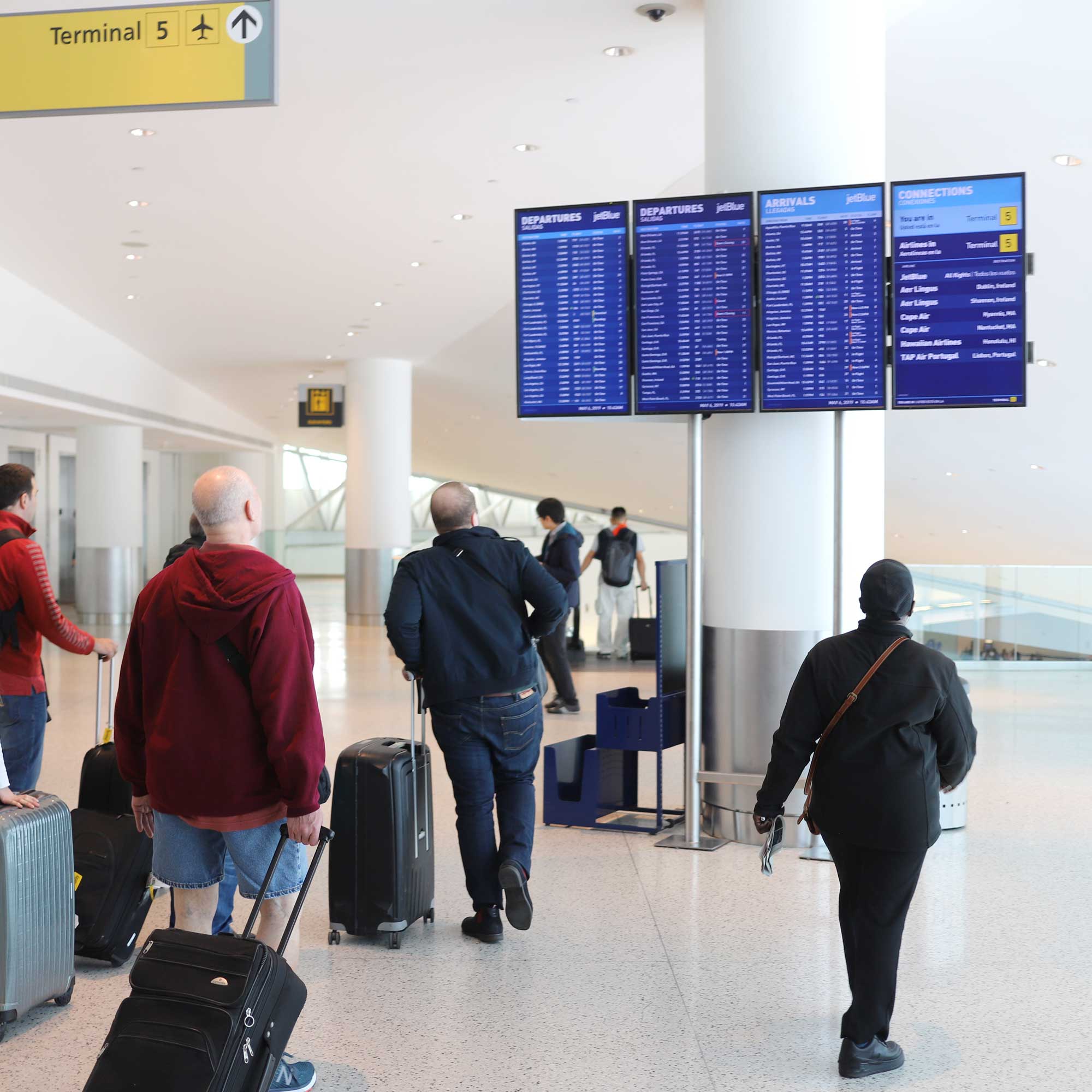
The passenger perspective: what the journey actually feels like when it works : legible, continuous, uninterrupted across operators.

Field audit at EWR: documenting what exists before proposing what should.
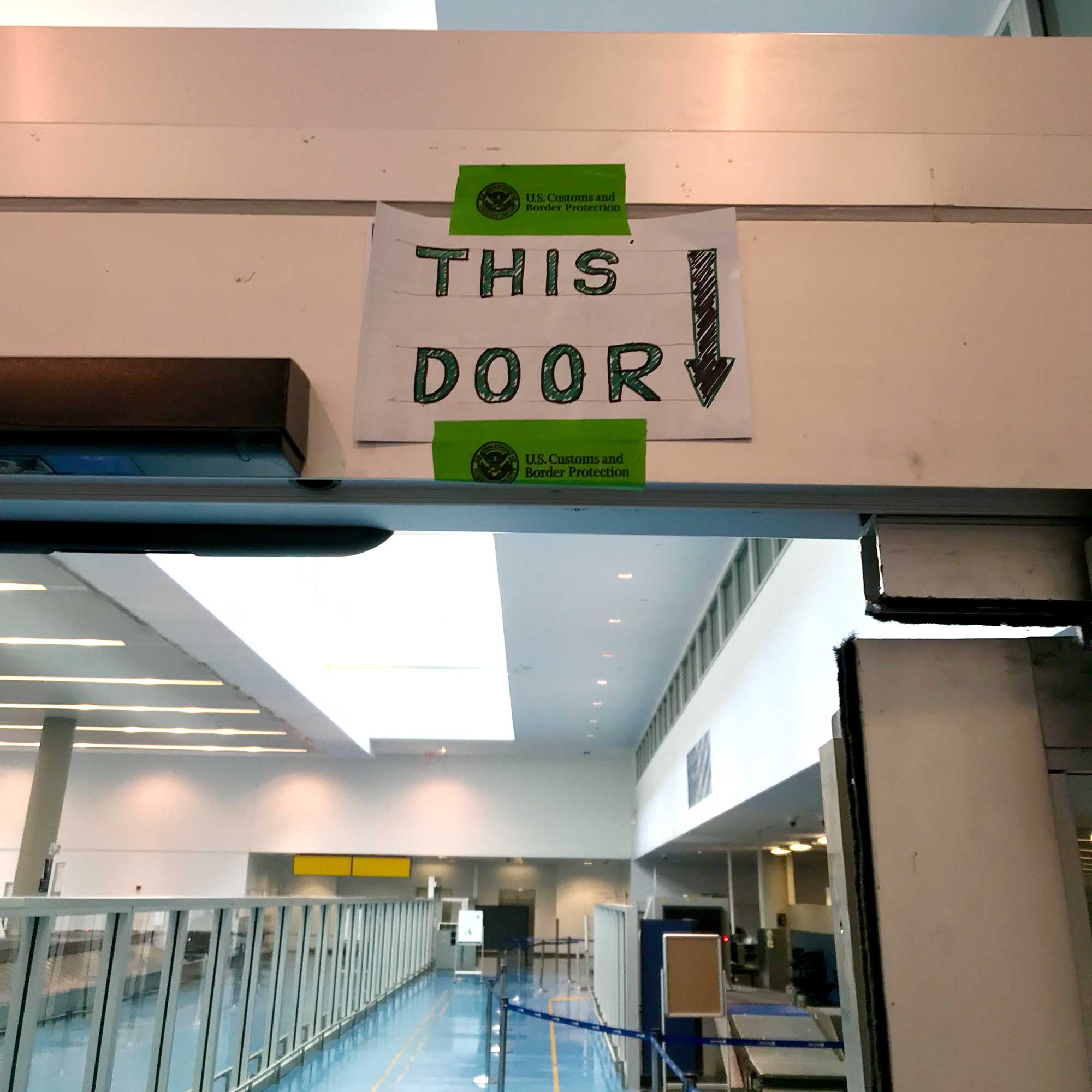
What happens when standards don't hold across operators: improvised wayfinding filling the gaps left by fragmented governance.

Mapping friction in real time: annotating the bag pickup moment during a live passenger journey audit.
The approach
Working with W&CO+Mijksenaar, I led the strategy for a passenger experience framework intended to function as a governance instrument: a set of principles, standards and requirements that any operator or developer would have to work within, regardless of their specific project.
This meant working across institutional lines, with terminal operators, airlines, engineering consultants, architects and public agencies,9 to establish what the passenger experience should feel like across every phase of the journey, and what standards would make that consistent without requiring centralized control over every decision.
The framework covered passenger journey mapping, wayfinding principles, spatial organization, digital information systems, accessibility standards and benchmarking against leading international airports.
The outcomes
Passenger experience standards now span all three airports, designed to survive decentralized, multi-operator delivery over many years.
LaGuardia's ACI passenger satisfaction score rose 21.5% between 2018 and 2024 — from worst-ranked airport in North America to best in class for three consecutive years. Newark Liberty's Terminal A received Skytrax's 5-Star rating and World's Best New Airport Terminal designation upon completion.
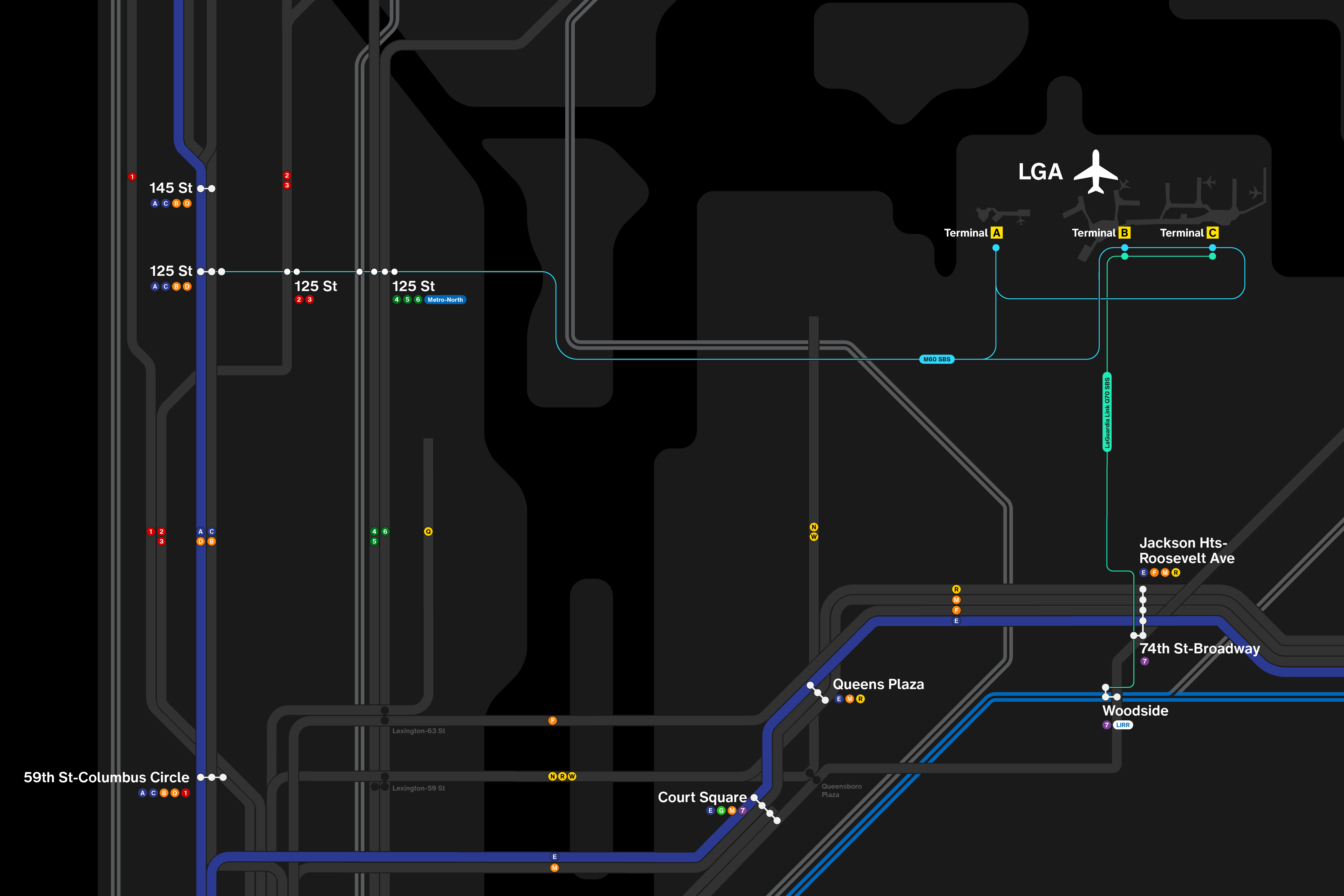
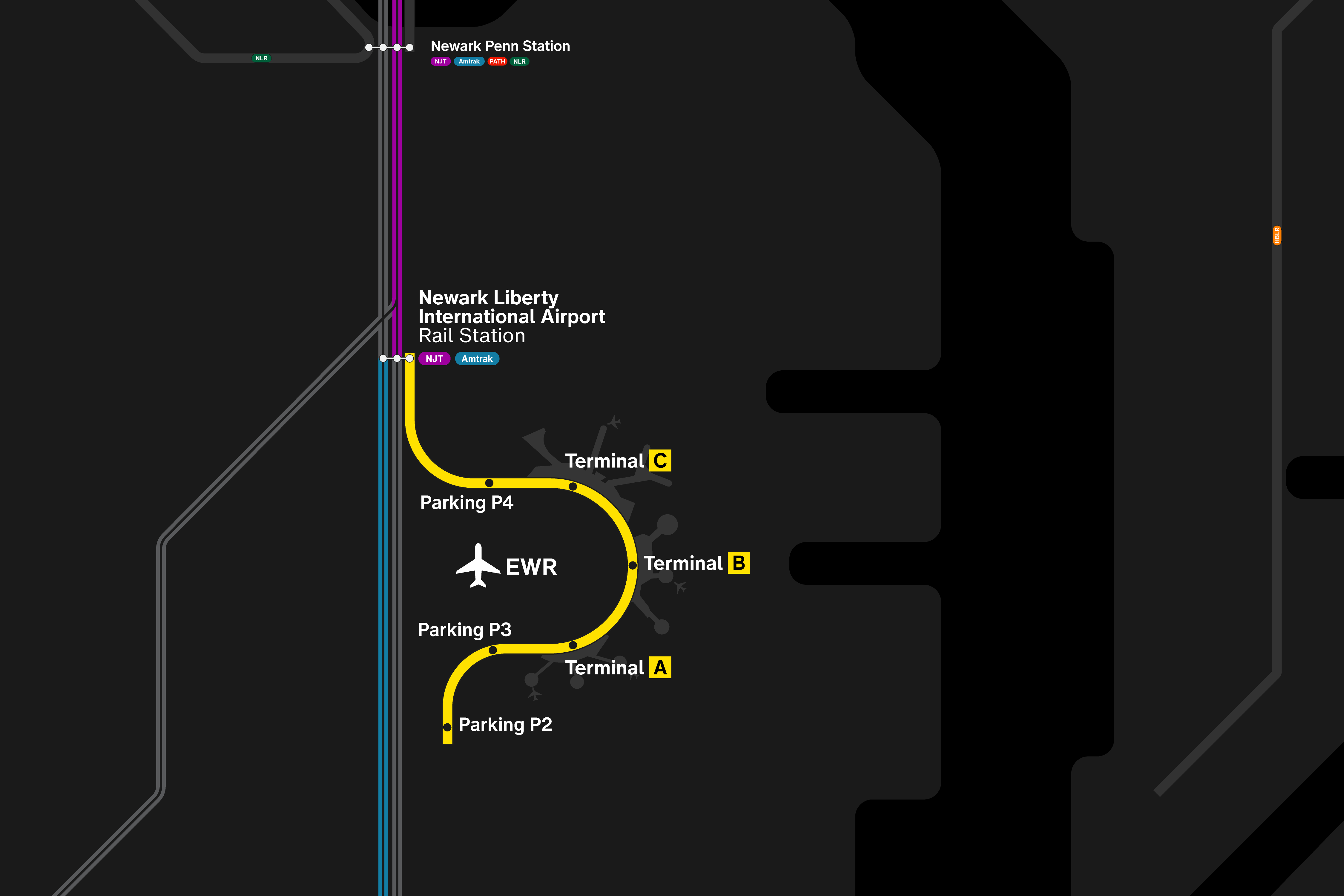
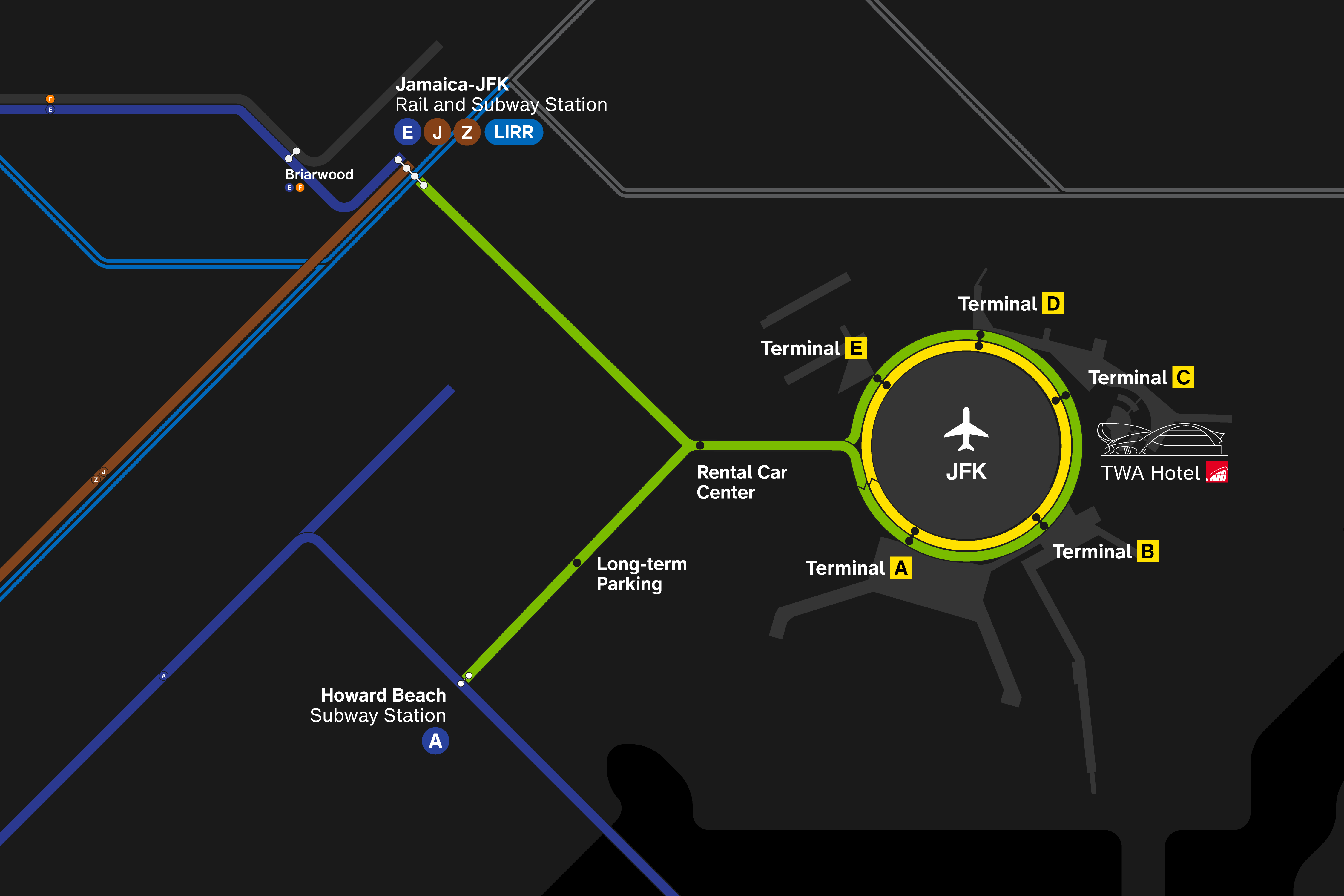
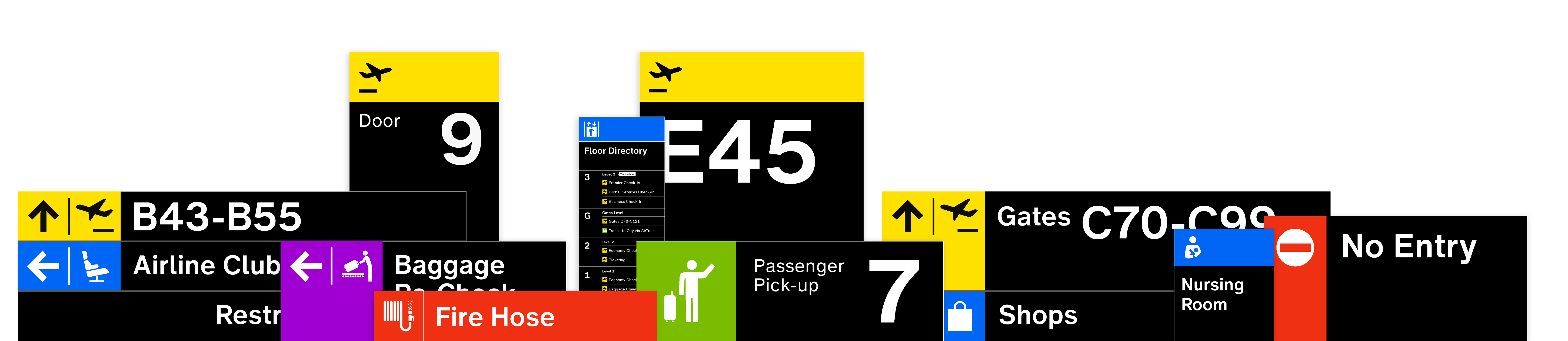
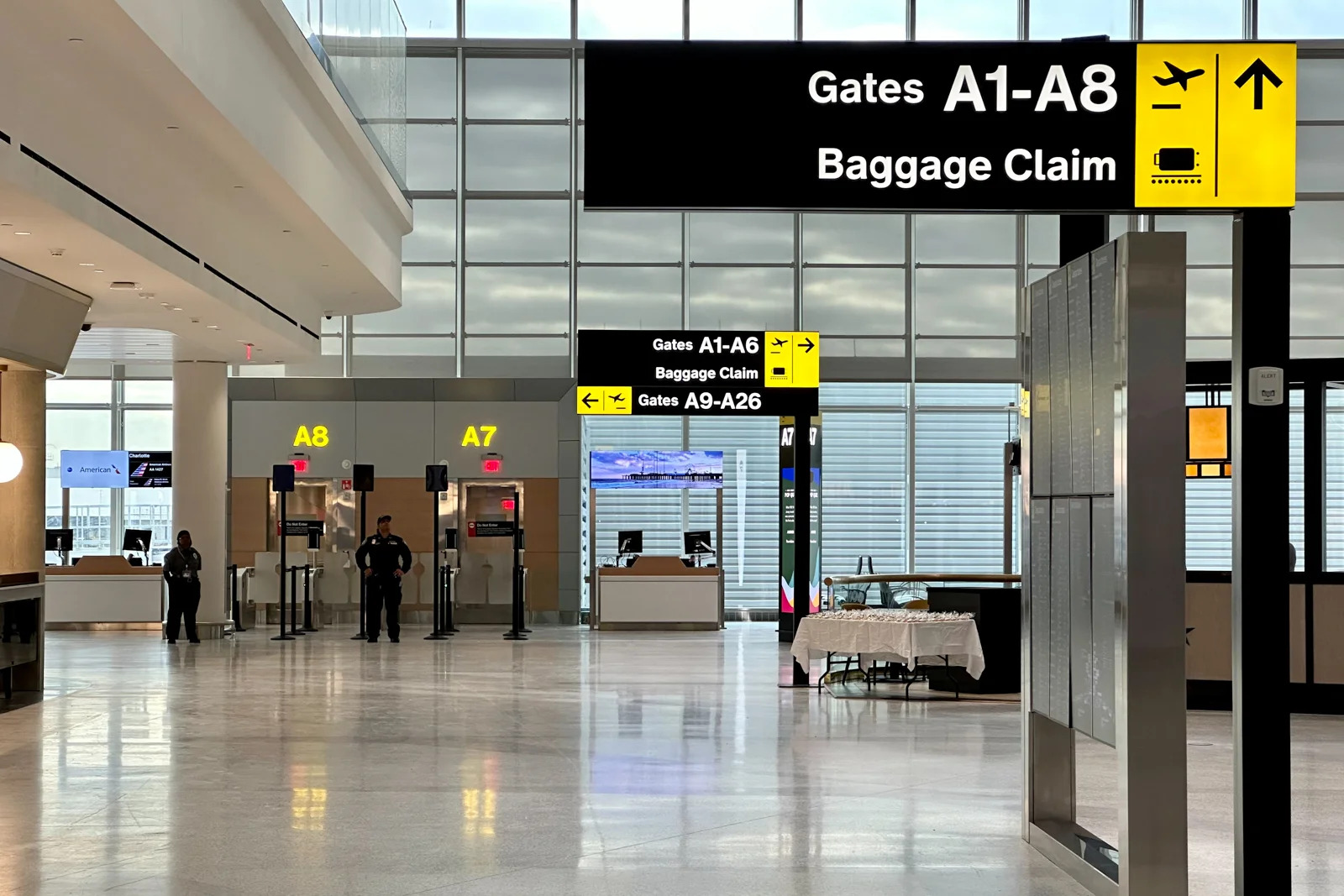
We sought to bring the bold, confident and exciting nature of the New York City region into a wayfinding identity that would stand the test of time. This is manifested in both the graphic and industrial design language, from pictograms to materials.
Traditionally, signage information occupies but one face of a 3D wayfinding object. We took the opportunity to turn the sign into a beacon that traces a path from the passenger’s position to their destination, no matter the angle of approach.
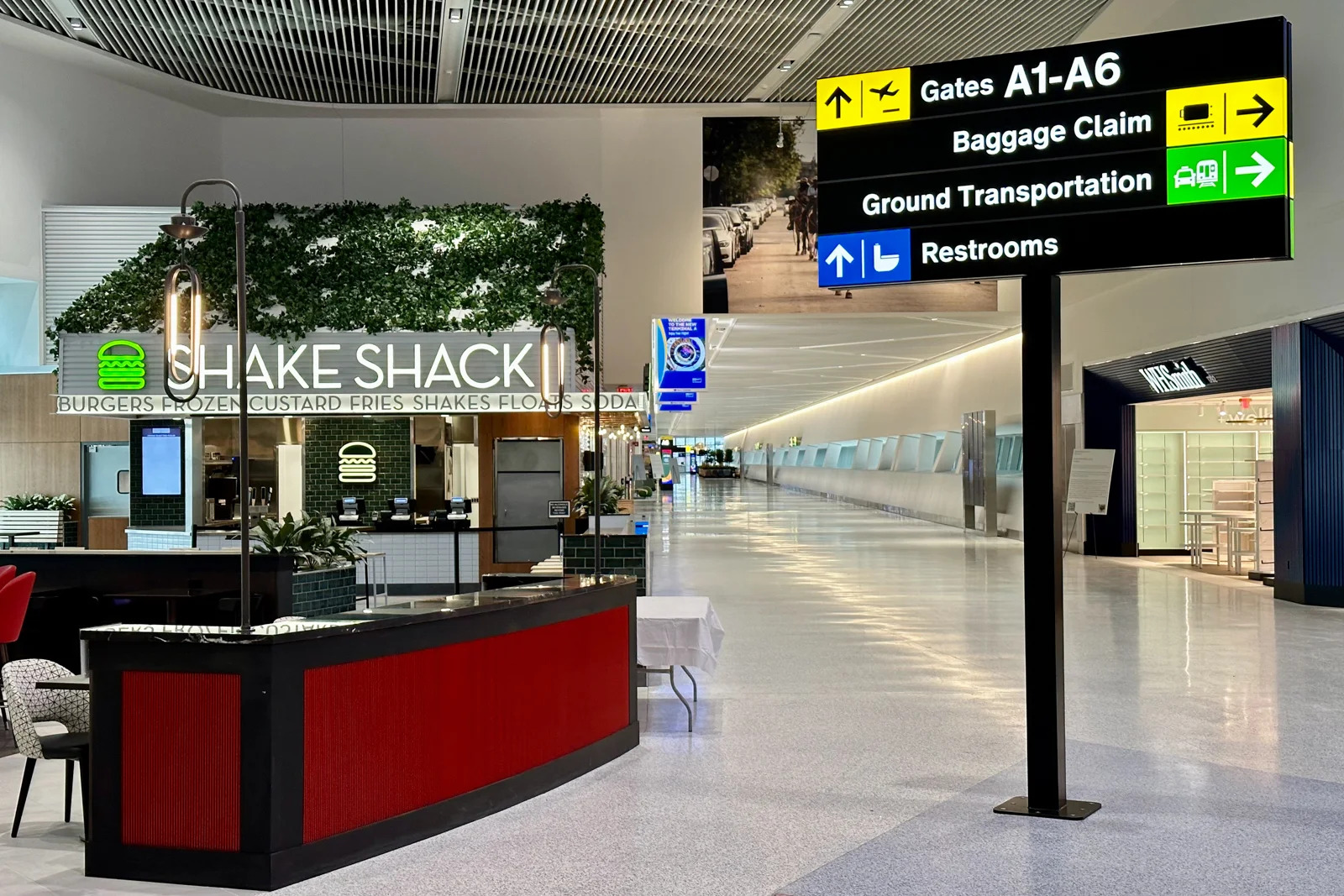

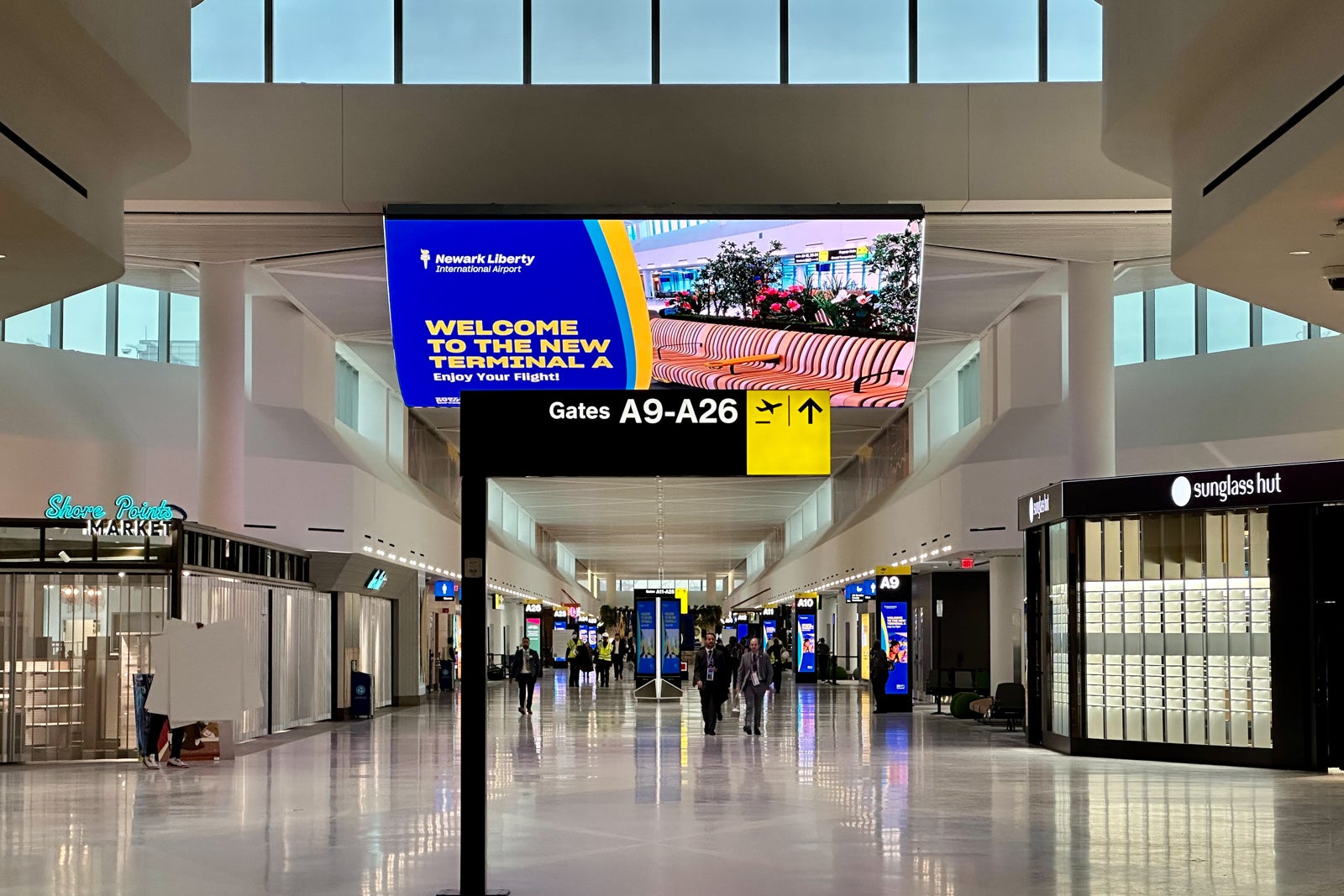
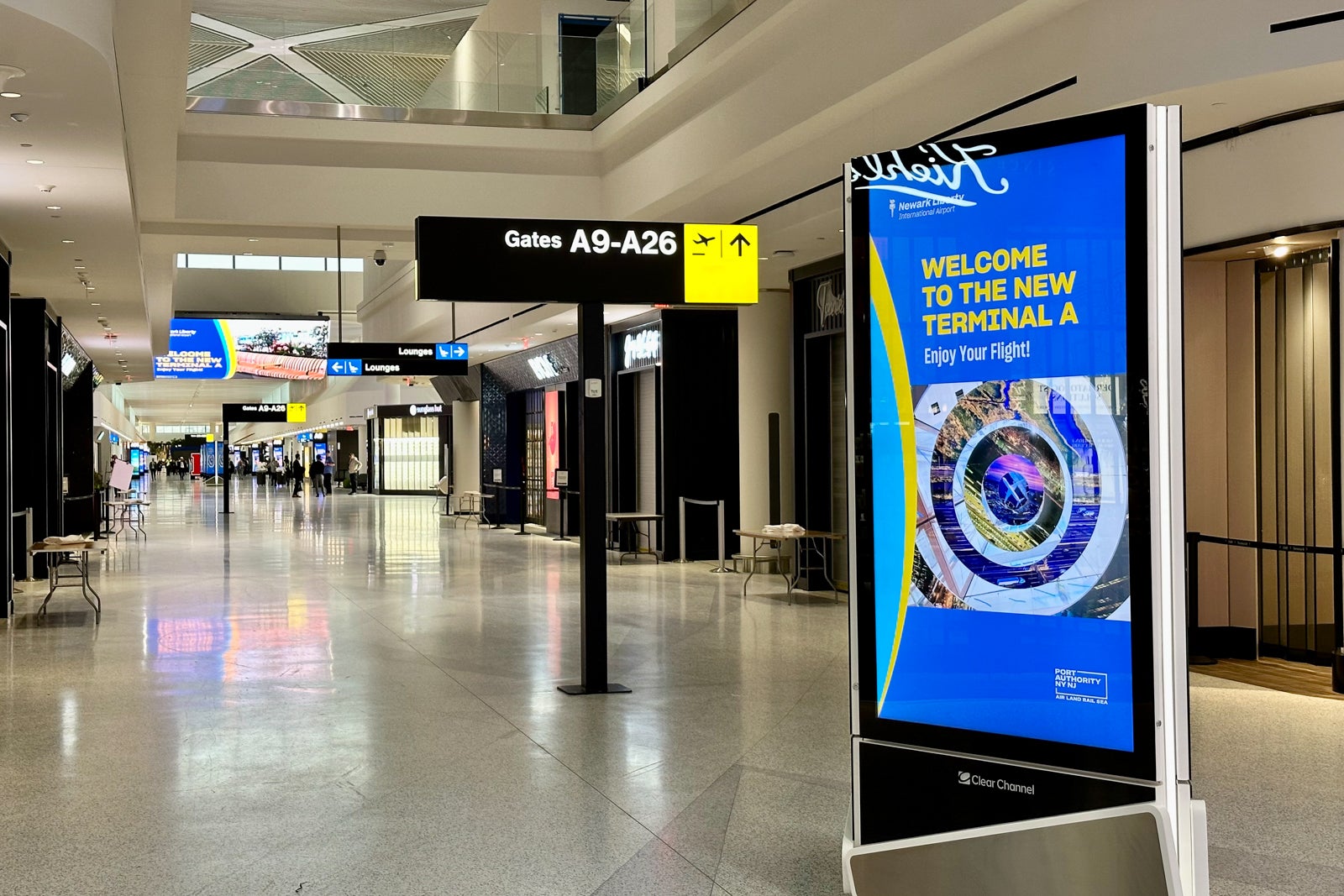
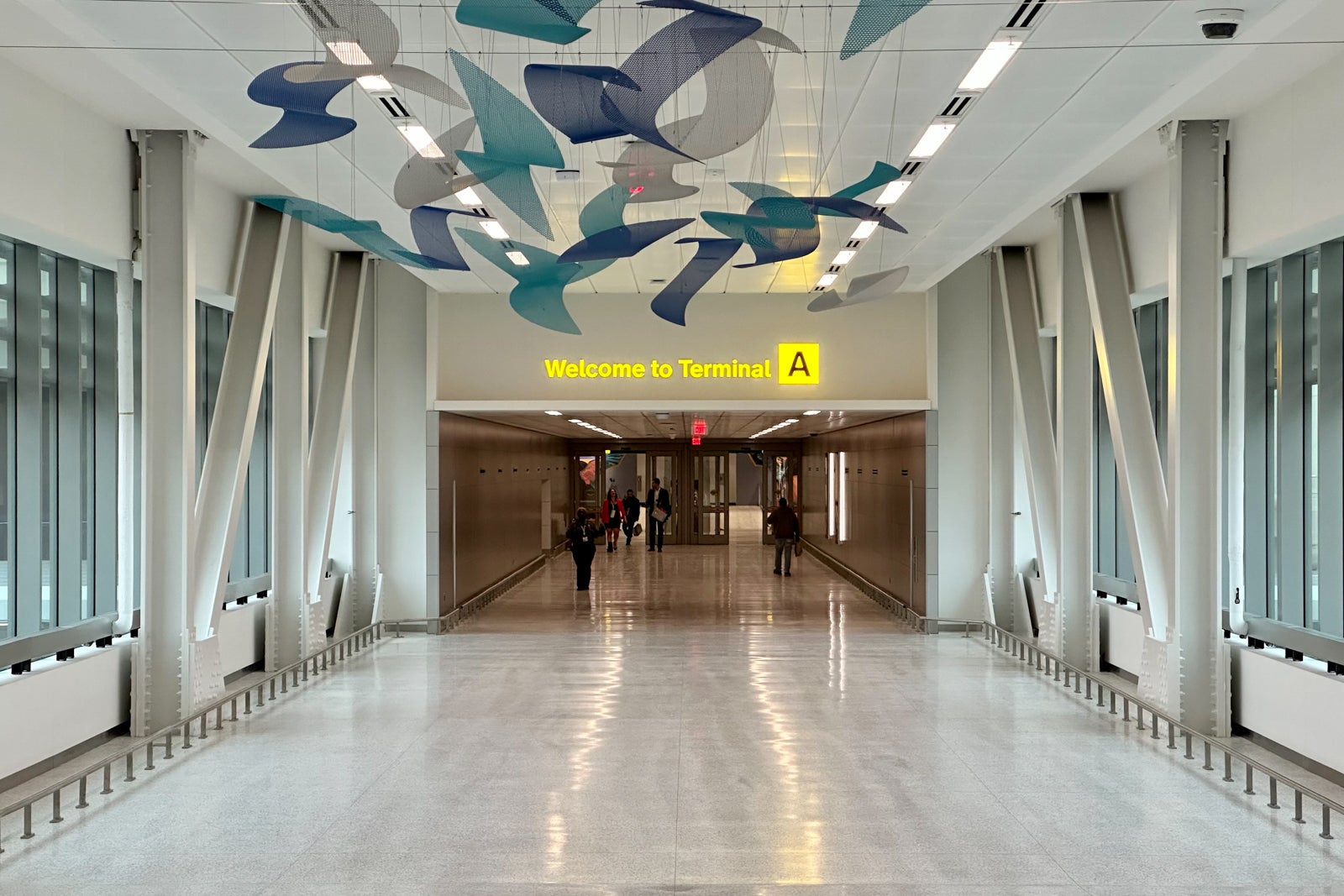
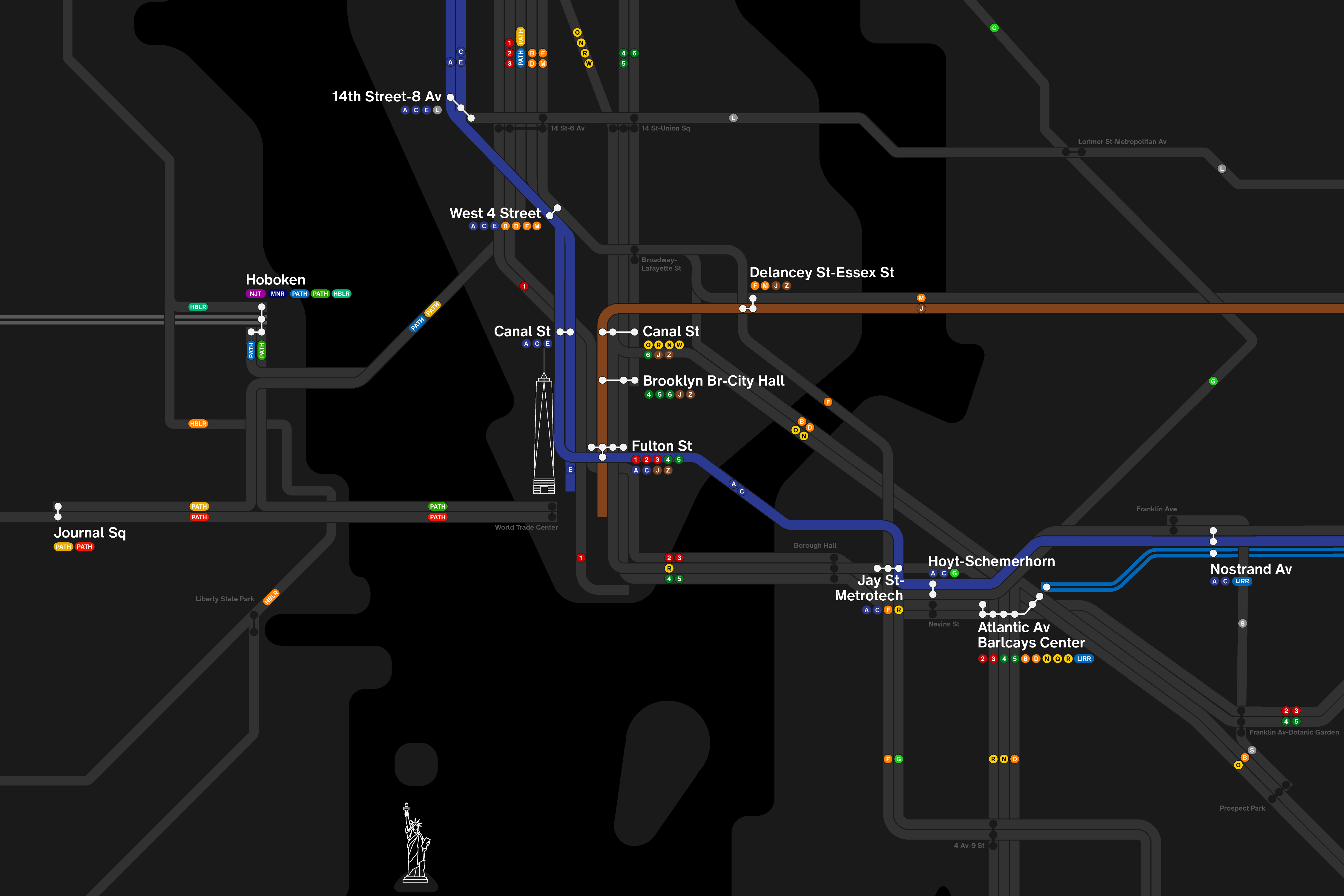
The experience standards were published as a living digital platform rather than a static document — accessible to any operator, terminal developer or partner at any stage of the program. This made the governance framework a shared reference point across the system, updatable as conditions evolved, rather than a snapshot that would quickly become obsolete.
wayfinding.panynj.gov

© 2026, David Jalbert-Gagnier